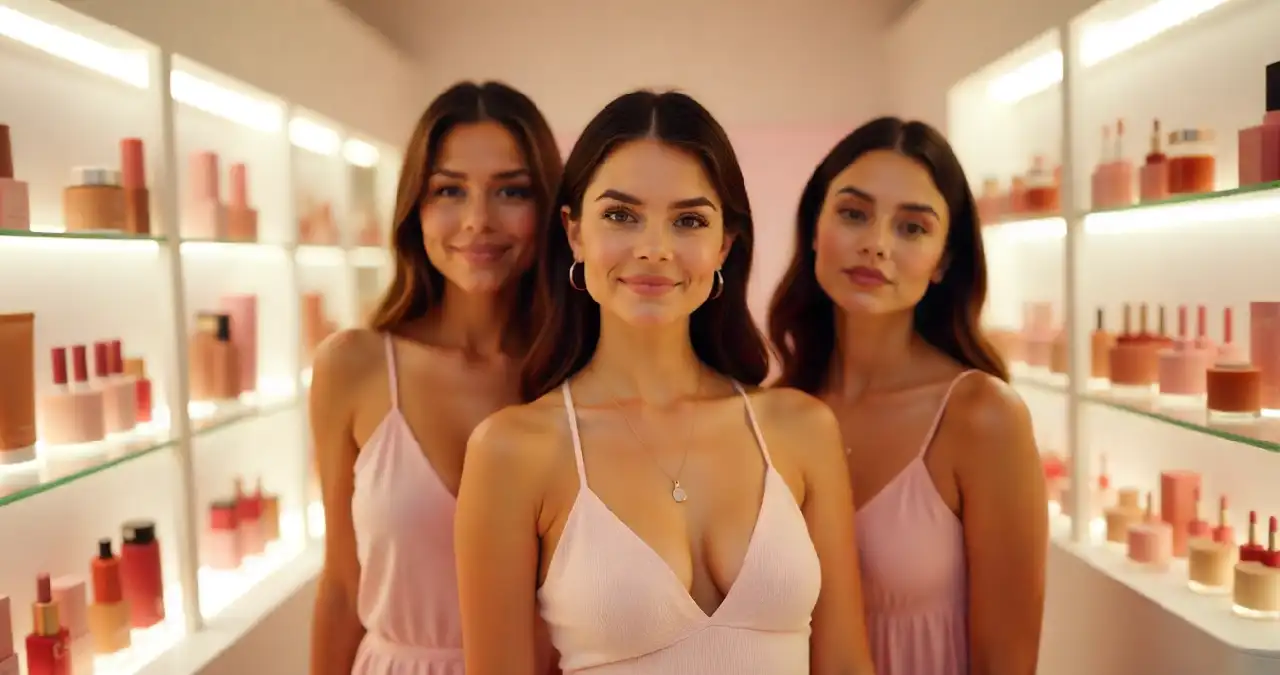

Selena Gomez didn’t just slap her name on a lipstick — she launched a values-driven beauty brand that turned cultural relevance into a serious business asset. Rare Beauty arrived as a cultural moment: familiar enough to grab attention, authentic enough to keep it. That shift — from celebrity endorsement to founder-led brand — is the engine that transformed Selena’s influence into long-term wealth.
Table of Contents
The Birth of Rare Beauty: Vision, Timing, and Founder Story
Why Selena Gomez? Personal experience as brand fuel
Rare Beauty is rooted in Gomez’s personal story — the highs and lows of fame, plus lived experience with mental-health struggles — which she channeled into a brand mission about self-acceptance over perfection. That sincerity makes Rare Beauty more than a product line; it’s a cultural stance. Consumers can spot when a product is an opportunistic cash grab versus a reflection of something genuine — and Rare leaned into the latter.
Timing: launching a beauty brand in 2020
Launching in 2020, Rare Beauty entered a market hungry for inclusivity and authenticity. The pandemic accelerated online buying and made digitally native brands more relevant. Selena’s timing meant she rode existing trends — democratized beauty, social-first marketing, and cause-driven consumption — rather than trying to force-fit an outdated playbook.
Brand Positioning: Authenticity Over Perfection
Mission-driven messaging: mental health and self-acceptance
The brand’s messaging is consistent and specific: beauty shouldn’t hide who you are. Rare Beauty couples product launches with the Rare Impact Fund, tying purchases to measurable social good. That alignment turns marketing into storytelling that resonates emotionally and rationally, converting fans into advocates. The Rare Impact Fund further institutionalizes the brand’s purpose and strengthens trust.
Product accessibility and price strategy
Rare Beauty’s price points are accessible — premium-feel items without aspirational pricing — which widens the addressable market. This accessibility removes a barrier many celebrity brands create by being too expensive or too niche. Affordable price tiers encourage trial, repeat purchase, and word-of-mouth growth.
Business Model & Distribution: How Rare Beauty Reached Customers
D2C + Sephora partnership: the distribution play
Rare Beauty combined direct-to-consumer (D2C) sales on its own site with exclusive placement in Sephora, creating both a controlled brand experience and a massive retail funnel. This hybrid model leverages the strengths of both worlds: higher margins and customer data from D2C, immediate mass reach, and discoverability through Sephora. Strategic retail partnerships like this accelerate scale while preserving brand integrity.
Marketing mix: influencer, celebrity, and organic content
Rather than relying solely on paid celebrity spots, Rare Beauty amplified user-generated content, influencers, and Selena’s own voice. The result? A layered funnel where fans see Selena using the product, influencers create tutorials, and everyday users post genuine reviews. That mix multiplies credibility and keeps acquisition costs efficient.
The Numbers: Revenue, Valuation, and Selena’s Stake
Revenue trajectory and growth signals
Public filings and reporting indicate rapid top-line growth, a key signal that a beauty brand is scaling beyond celebrity hype to real consumer demand. For example, reporting showed substantial revenue in 2023 that publicly demonstrated Rare Beauty’s foothold in the market. Strong revenue is what converts cultural influence into an investible, valuable company.
Valuation narratives and investor interest
As Rare Beauty’s revenue and mission metrics grew, so did investor interest, which is reflected in valuation estimates appearing in business press coverage. A brand that pairs repeat purchase behavior with an engaged community and a visible social impact becomes attractive to private equity and strategic investors — and that’s how a founder’s paper wealth grows massively beyond earnings from gigs or royalties.
Social Impact as a Business Advantage
The Rare Impact Fund: mission that converts
Donating a portion of sales to a structured fund focused on youth mental health does more than help a cause — it deepens customer loyalty and provides a measurable impact story. The Rare Impact Fund isn’t a vague PR promise; it’s an institutionalized initiative with partners and reporting that reinforces the brand’s authenticity and keeps customers connected over time.
Cause marketing that drives loyalty
Cause marketing done well signals values alignment to consumers. When people believe their dollars support something meaningful — especially a cause as resonant as mental health — they’re likelier to repurchase and recommend. That recurring revenue is the backbone of true brand-driven wealth.
Product Strategy: Simple, High-Performing SKUs
Hero products and portfolio management
Rare Beauty focused on hero SKUs — standout items that carry the brand — while gradually expanding the portfolio. This is classic modern-brand playbook: perfect a few core products, then upsell and cross-sell. Hero products make marketing simpler and reviews concentrate on clear wins, accelerating the path from discovery to conversion.
Customer feedback loops and product improvements
Quick iteration based on reviews and social feedback keeps the product-market fit sharp. Brands that listen to consumers and tweak formulations or shade ranges build trust and reduce churn.
Marketing & Community: Authentic Voice Wins
Selena’s authenticity on social platforms
Selena Gomez’s public persona — candid, vulnerable, and relatable — translated directly into Rare Beauty’s brand voice. That synergy between founder personality and brand narrative is powerful: when the founder’s message matches the product experience, customers feel part of a community rather than a sales funnel. Social proof, behind-the-scenes content, and candid conversations about mental health made the brand feel human.
UGC, reviews, and community-driven growth
User-generated content (UGC) amplified reach with near-zero media spend relative to traditional campaigns. High-quality UGC creates authenticity that paid ads cannot buy; it’s peer validation. For Rare Beauty, UGC became an engine for sustained organic growth.
Operational Choices That Scaled Value
Partner selection and retail relationships
Choosing Sephora as a retail partner was a strategic multiplier: Sephora offers discovery in physical stores and mature e-commerce infrastructure. The right partners provide distribution scale while protecting brand narrative, a balancing act Rare Beauty executed well.
Lean launch, rapid iteration
Rare Beauty didn’t overextend at launch; it launched with a focused SKU set, learned quickly, and expanded. This lean approach minimizes wasted inventory, limits risk, and allows the brand to respond to real demand signals.
Risks & Challenges: Not Just Rose-Colored Profits
Market saturation and competition
The beauty market is crowded. Even with a strong founder and mission, brands face copycats, price compression, and changing trends. Maintaining product excellence and continuing to innovate are essential to avoid commoditization.
Reputation and founder visibility risks
A brand tied closely to a founder benefits from their authenticity — but it also inherits their vulnerabilities. Public relations missteps or shifts in the founder’s public presence can directly affect brand perception and, therefore, valuation.
Why Rare Beauty Changed Selena Gomez’s Wealth Profile
Equity stake, recurring revenue, and brand permanence
Selena’s wealth uplift isn’t from a single paycheck; it’s from equity in a recurring-revenue business with strong margins and loyalty. As the company scaled, valuations rose and her stake became a sizable asset on paper — transitioning her income from ephemeral entertainment gigs to a more stable, investible company asset.
How brand valuation translates to personal net worth
When investors value a company, they’re pricing future cash flows, growth potential, and brand moat. A founder’s share of that valuation is reflected in net-worth estimates. As Rare Beauty demonstrated predictable revenue and brand moat, news outlets and analysts began incorporating the company into Selena’s net-worth calculations. That’s how a cultural brand becomes a wealth vehicle.
Lessons for Creators and Celebrity Founders
Build around authenticity and purpose
Authenticity isn’t a marketing tactic — it’s a strategic asset. When brand values are sincere and baked into product and practice, they compound into long-term customer loyalty.
Pick the right partners and distribution
A great product needs the right channel. Strategic retail partnerships, smart investor selection, and operational partners who respect brand values accelerate growth without diluting the brand.
Conclusion: From Authenticity to Asset
Rare Beauty is a case study in how a celebrity can convert cultural capital into a long-term financial asset. The brand’s success rests on three pillars: authenticity (the founder’s voice and mission), product excellence (hero SKUs and accessible pricing), and smart business design (D2C + Sephora, social impact integration). Together, those elements turned Selena Gomez’s cultural influence into a business with real revenue, valuation, and long-term wealth implications. The lesson is clear: when purpose and profit align and the company is built thoughtfully, influence can become an enduring asset.
FAQs
When was Rare Beauty founded and what is its mission?
Rare Beauty launched publicly in 2020 with a mission to break down unrealistic standards of beauty and promote self-acceptance, while also supporting mental health initiatives through the Rare Impact Fund.
How did Rare Beauty affect Selena Gomez’s net worth?
Rare Beauty’s rapid revenue growth and resulting valuation contributed significantly to Selena Gomez’s net-worth estimates, because her equity stake in the company became a major asset that analysts factor into overall wealth calculations.
Does Rare Beauty donate to mental health causes?
Yes. Rare Beauty established the Rare Impact Fund and donates a portion of proceeds to support youth mental health programs, which also helps deepen customer loyalty and brand trust.
What distribution strategy made Rare Beauty successful?
A hybrid approach — selling directly via its website and partnering exclusively with Sephora for retail distribution — balanced margin and discovery, accelerating scale while preserving brand control.
Can other celebrities replicate Rare Beauty’s success?
They can, but success requires alignment: genuine founder involvement, a differentiated product that consumers actually love, smart partnerships, and a mission that resonates. Without those elements, celebrity brands risk becoming short-lived trends.