
Have you ever looked at your overflowing closet and wondered what to do with all those clothes you never wear anymore? Or maybe you’re tired of paying full price for trendy pieces that’ll be out of style next season? Welcome to the world of Crossroads Trading, where your fashion dilemmas meet their match.
Table of Contents
What Is Crossroads Trading?
Crossroads Trading is a secondhand clothing store where customers can sell their current, on-trend clothing and accessories for cash or trade credit. Think of it as the cool, curated cousin of traditional thrift stores – less musty smell, more runway-ready finds.
The History and Mission Behind the Brand
Founded in 1991 in San Francisco’s Fillmore District, Crossroads Trading pioneered secondhand clothing as an alternative to traditional retail. They weren’t just creating another thrift store; they were starting a fashion revolution. Today, they’ve grown to multiple locations across major cities including California, New York, Chicago, Seattle, Portland, Denver, and Texas.
What sets them apart? Their commitment to sustainability without sacrificing style. Crossroads is widely recognized as an industry leader in the ‘resale revolution’ and has been featured in major fashion publications.
How Crossroads Trading Differs from Traditional Thrift Stores
Here’s the thing about Crossroads – it’s selective. Unlike donation-based thrift stores that accept everything, Crossroads curates their inventory carefully. They’re looking for current styles, recognizable brands, and items in excellent condition. It’s like having a really picky friend help you shop, but in the best way possible.
Why Choose Crossroads Trading?
You might be thinking, “Why should I bother with Crossroads when I could just donate my clothes or shop at regular stores?” Great question! Let me break it down for you.
Sustainable Fashion Made Easy
Every year, millions of tons of clothing end up in landfills. That designer dress you wore once? It doesn’t have to contribute to that statistic. By selling and buying through Crossroads Trading, you’re participating in circular fashion. You’re giving clothes a second life and reducing demand for new production. It’s like being an environmental superhero, but with better accessories.
Quality Meets Affordability
Want to rock that Free People blouse or those designer jeans without the designer price tag? That’s where Crossroads shines. You can snag high-quality, name-brand pieces for a fraction of retail prices. Plus, when you sell your items, you’re making money or getting credit to refresh your wardrobe guilt-free.
How to Sell Your Clothes at Crossroads Trading
Ready to turn your closet into cash? Let’s walk through exactly how this works.
What Items Does Crossroads Accept?
Not everything in your closet will make the cut, and that’s okay. Crossroads is looking for specific criteria to maintain their inventory quality.
Brands and Styles They Love
Crossroads focuses on trendy, current styles and recognizable brands. Think Zara, Urban Outfitters, Madewell, Free People, Levi’s, Nike, Anthropologie – brands that people actively search for. They also love designer pieces (hello, that Gucci bag collecting dust!).
Current trends matter here. That paisley print from 2010? Probably not. But that vintage-style denim jacket that’s having a moment right now? Absolutely.
Condition Requirements
Here’s where it gets real: your items need to be in excellent condition. We’re talking:
- No stains, holes, or excessive wear
- All buttons, zippers, and hardware intact
- Freshly cleaned (seriously, wash your clothes before bringing them in)
- No missing embellishments or loose threads
- Shoes should have plenty of life left in the soles
Think about it this way – would you buy it in this condition? If you’re hesitating, so will they.
The Selling Process Step-by-Step
Selling at Crossroads is surprisingly straightforward. Here’s your game plan:
- Gather your items – Go through your closet and pull out pieces that fit the criteria
- Clean everything – This isn’t negotiable. Presentation matters.
- Bring them to the store – Most locations accept walk-ins, though some offer appointments
- Wait for evaluation – A buyer will review your items (usually takes 30-60 minutes)
- Get your offer – They’ll tell you what they want and what they’re paying
- Choose your payment – Cash or trade credit (spoiler: trade credit gives you more value)
- Take back what they don’t want – Or donate it on-site if they offer that option
Walk-In vs. Appointment Options
Most Crossroads locations operate on a walk-in basis, especially for smaller quantities. You drop off your items, they give you a timeframe, and you can shop while you wait or run errands. Some busy locations might offer appointments for larger collections – check your local store’s policy.
Payment Options: Cash vs. Trade Credit
This is where strategy comes in. When Crossroads makes you an offer, you’ll have two choices:
Cash payment – Typically, you’ll receive about 30-35% of the price they plan to sell the item for. If they’re pricing your jeans at $30, you might get $10 in cash.
Trade credit – Here’s the sweet deal: trade credit usually gives you 50% of the selling price. Those same $30 jeans? You’d get $15 in credit. That’s a 50% boost!
The trade-off? You have to spend it in the store. But if you’re planning to shop anyway, trade credit is absolutely the way to go.
Maximizing Your Selling Success
Want to walk out with the best possible offer? These insider tips will help.
Timing Your Sale Right
Timing is everything in fashion resale. Try to sell items at the beginning of their season:
- Spring/Summer items – Bring in March-April
- Fall/Winter pieces – August-September is prime time
Selling winter coats in July? You’re going to have a tough time. Buyers are thinking ahead, but only by a few months.
Preparing Your Items for Sale
Presentation can make or break your sale. Here’s what to do:
- Steam or iron everything – Wrinkles scream “I don’t care”
- Fold neatly or hang on hangers – Show them you’re serious
- Remove pet hair – Use a lint roller liberally
- Check pockets – Empty them out (though finding a $20 bill is a nice bonus)
- Bring items on hangers when possible – It makes evaluation easier
Think of it like staging a house for sale. You want buyers to envision these pieces on their racks.
Understanding the Pricing Formula
Crossroads uses a formula based on several factors:
- Original retail price
- Current demand for the brand/style
- Condition of the item
- Current inventory levels
Designer items and in-demand brands typically fetch better prices. That Target tee? Probably not worth much. Those barely-worn Dr. Martens? Now we’re talking.
Shopping at Crossroads Trading
Now let’s flip the script – you’re ready to shop!
What to Expect When You Walk In
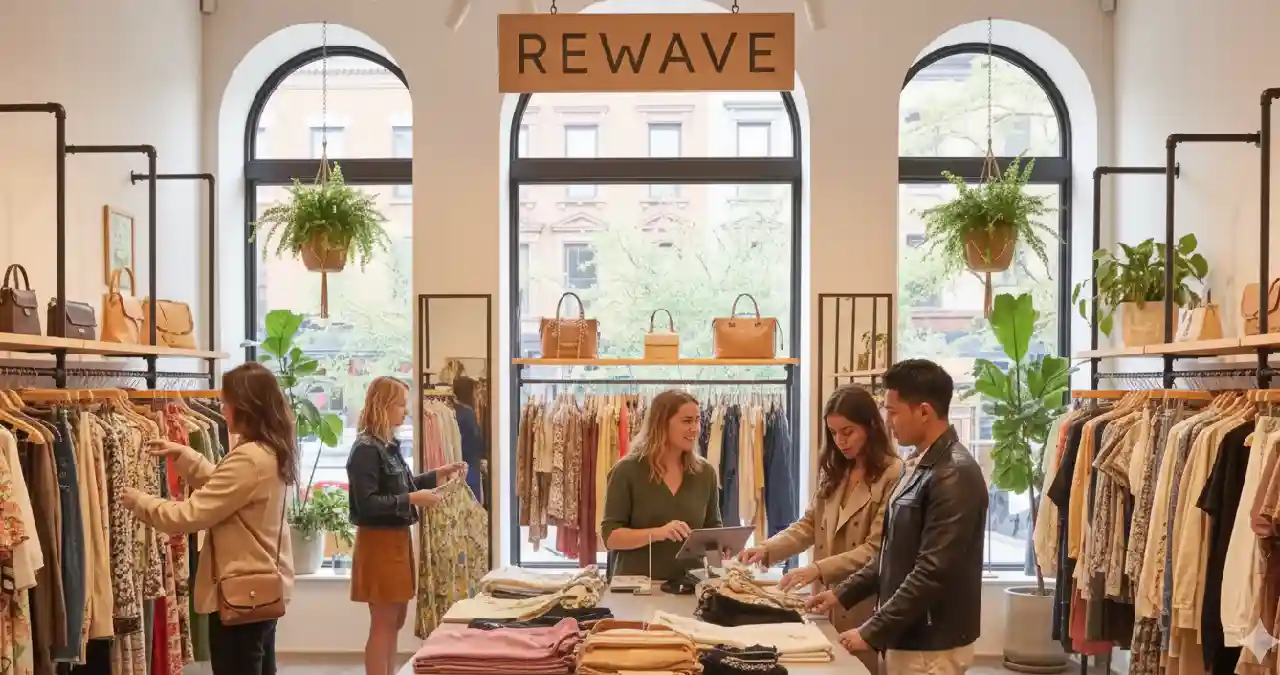
Walking into Crossroads feels different from a typical thrift store. The layout is organized, the lighting is good, and everything is curated. You’ll find clothes arranged by category – dresses, tops, bottoms, outerwear – and sometimes by color.
The vibe is more boutique than bargain bin. Prices are clearly marked, and everything has been vetted for quality. You’re not digging through piles here; you’re browsing carefully selected pieces.
Finding Hidden Gems and Deals
Shopping secondhand is part treasure hunt, part strategy. Here’s how to strike gold:
Best Days to Shop
New inventory hits the floor constantly, but certain times are better:
- Weekday mornings – Less picked-over, fewer crowds
- Right after busy selling days – Weekends bring sellers, so Monday/Tuesday might have fresh stock
- Beginning of season changes – When stores are stocking seasonal items
Seasonal Shopping Strategies
Want the best deals? Shop off-season. Winter coats in spring? Deeply discounted. Summer dresses in fall? Hello, bargains. If you can think ahead, your wallet will thank you.
Tips for First-Time Buyers
Your first Crossroads shopping trip doesn’t have to be overwhelming.
How to Navigate the Store Layout
Most locations organize by:
- Gender/category
- Type of garment
- Sometimes by size (check the racks carefully)
Don’t be afraid to ask staff for help. They know their inventory and can point you toward specific items or brands.
Quality Checking Your Purchases
Even though Crossroads vets items, it’s smart to double-check:
- Look for any stains or damage you can see
- Check zippers and buttons
- Examine seams and hems
- Try things on when possible – sizing can vary wildly in secondhand
- Inspect shoes for wear patterns
Remember, all sales are typically final, so be thorough before you buy.
The Trade Credit System Explained
Let’s dive deeper into this money-saving feature.
How Trade Credit Works
When you choose trade credit over cash, you receive a store credit that you can use for future purchases. It’s usually issued as a physical card or tracked in their system. Most trade credits don’t expire, but check your store’s specific policy.
Maximizing Your Trade Credit Value
Here’s a pro strategy: Sell in bulk, accumulate trade credit, and shop during sales or when they bring in premium items. You’re essentially getting 50% more buying power than if you took cash. Some savvy shoppers use this system to completely refresh their wardrobes without spending actual money.
You can also combine trade credit with cash for purchases, giving you flexibility when that perfect designer piece comes in at a higher price point.
Crossroads Trading vs. Other Resale Options
How does Crossroads stack up against alternatives?
Online Resale Platforms
Apps like Poshmark, Depop, and ThredUp are popular, but they come with trade-offs:
Pros of online platforms:
- Reach a wider audience
- Potentially higher prices for rare items
- Shop from your couch
Cons:
- Dealing with shipping and returns
- Waiting for items to sell
- Platform fees eating into profits
- More effort required
Crossroads offers instant gratification – walk in, sell, done. No photographing items, writing descriptions, or dealing with difficult buyers.
Traditional Consignment Shops
Consignment stores pay you after your item sells, which could take weeks or months. Crossroads buys your items outright, giving you immediate payment. The trade-off? Consignment might net you more money per item, but you’re playing the waiting game.
Environmental Impact of Choosing Secondhand
Let’s talk about the bigger picture. The fashion industry is one of the world’s largest polluters. By choosing secondhand, you’re:
- Reducing textile waste in landfills
- Decreasing demand for new production
- Lowering water usage and chemical pollution
- Minimizing carbon emissions from manufacturing and shipping
Every piece you buy or sell secondhand is a small act of rebellion against fast fashion’s environmental toll. And honestly? That makes that vintage band tee even cooler.
Common Mistakes to Avoid
Learn from others’ missteps:
- Bringing in dirty or damaged items – It wastes everyone’s time
- Having unrealistic price expectations – You’re not getting retail value
- Selling off-season – Timing matters
- Not trying things on – Sizes vary wildly in secondhand
- Forgetting to ask about sales – Many locations run regular promotions
- Taking rejection personally – Just because they don’t buy something doesn’t mean it’s worthless; it might not fit their current needs
- Skipping the trade credit – Unless you desperately need cash, trade credit is the better deal
Conclusion
Crossroads Trading has transformed the way we think about fashion consumption. It’s not just about saving money or making a few bucks off old clothes – though those are fantastic perks. It’s about participating in a more sustainable fashion ecosystem where clothes have longer lives and more stories to tell.
Whether you’re looking to declutter your closet, score designer pieces on a budget, or reduce your environmental footprint, Crossroads Trading offers a solution that benefits everyone. The process might seem intimidating at first, but once you understand how it works, you’ll wonder why you didn’t start sooner.
So grab those clothes you haven’t worn in a year, give them a good clean, and head to your nearest Crossroads location. Your closet, your wallet, and the planet will thank you. And who knows? That Free People dress you’re selling might become someone else’s favorite piece, while you walk out with something that makes you feel amazing.
Ready to join the resale revolution? The crossroads between sustainable fashion and smart shopping awaits.
FAQs
How much money can I realistically make selling clothes at Crossroads Trading?
It varies widely based on what you bring in. You might make anywhere from $20 to $200+ depending on the quantity, brands, and condition of your items. Designer pieces and in-demand brands fetch better prices. For example, a bag of fast-fashion items might net you $30-40, while a collection of premium brands could bring $100 or more. Remember, you’ll get about 30-35% of the anticipated selling price in cash, or 50% in trade credit.
Does Crossroads Trading accept men’s, women’s, and children’s clothing?
Most Crossroads locations accept both men’s and women’s clothing and accessories. However, children’s clothing is generally not accepted at most stores. Each location may have slightly different policies, so it’s worth calling ahead or checking their website if you’re unsure. They also typically accept shoes, bags, accessories, and some jewelry.
What happens to clothes that Crossroads Trading doesn’t buy from me?
You have a few options for items they don’t purchase. You can take them back home with you, or many locations offer donation bins where you can leave unwanted items. Some stores partner with local charities or recycling programs. It’s actually convenient because you can clean out your closet in one trip – sell what they want, donate the rest.
Can I return or exchange items I purchase at Crossroads Trading?
Generally, all sales are final at Crossroads Trading, which is standard for most secondhand stores. This is why it’s crucial to examine items carefully before purchasing and try things on when possible. Some locations may offer store credit for defective items if you notice an issue immediately, but don’t count on traditional return policies. Check with your specific store for their exact policy.
How often does Crossroads Trading get new inventory?
New items hit the floor constantly throughout the day as they process sellers’ items. There’s no set “shipment day” like traditional retail because inventory comes from local sellers. This means every visit offers something different. For the best selection of fresh items, try visiting on weekday mornings or right after weekends when they typically see more sellers. The inventory is always rotating, which is part of the thrill of secondhand shopping!