
Cryptocurrency mining has evolved from a niche hobby into a sophisticated financial operation that demands careful planning, significant investment, and technical expertise. As we navigate through 2026, understanding the landscape of crypto mining through platforms like fintechzoom.com crypto mining analysis has become essential for anyone considering entering this competitive space. Whether you’re a complete beginner or an experienced miner looking to upgrade your operation, this comprehensive guide will walk you through everything you need to know about costs, profitability, and hardware requirements in today’s mining environment.
Understanding Crypto Mining in 2026
What Is Cryptocurrency Mining?
At its core, cryptocurrency mining is the process of validating transactions on a blockchain network and adding them to the distributed ledger. Miners use powerful computers to solve complex mathematical puzzles, and in return, they receive newly minted cryptocurrency as a reward. Think of it as being paid to be an accountant and security guard for a digital currency system simultaneously.
The process requires specialized hardware that runs 24/7, consuming substantial amounts of electricity while competing with miners worldwide to solve these cryptographic puzzles first. According to fintechzoom.com crypto mining research, the mining landscape has become increasingly competitive, with industrial-scale operations now dominating many popular cryptocurrencies.
Why Mining Matters for Blockchain Networks
Mining serves two critical functions in blockchain ecosystems. First, it secures the network by making it extremely expensive and computationally difficult for bad actors to manipulate transaction history. Second, it provides a decentralized method for issuing new coins into circulation without relying on a central authority.
Without miners, blockchain networks like Bitcoin and Ethereum Classic would be vulnerable to attacks and unable to process transactions efficiently. This symbiotic relationship between miners and networks creates an economic incentive structure that has proven remarkably resilient over the past decade.
The True Cost of Crypto Mining in 2026
Initial Hardware Investment
The most significant upfront cost for any mining operation is the hardware itself. ASIC (Application-Specific Integrated Circuit) miners designed for Bitcoin can range from $2,000 for entry-level models to over $15,000 for top-tier equipment. GPU (Graphics Processing Unit) rigs for mining altcoins typically cost between $3,000 and $10,000 depending on the number and quality of graphics cards.
Data from fintechzoom.com crypto mining analysis shows that hardware prices in 2026 have stabilized compared to the volatile pricing seen during previous bull markets. However, the increased difficulty levels mean that older equipment becomes obsolete faster, requiring more frequent upgrades to remain competitive.
Electricity Costs: The Hidden Monster
Electricity consumption is the ongoing expense that can make or break a mining operation’s profitability. A single ASIC miner can consume anywhere from 1,500 to 3,500 watts of power continuously. At the U.S. average electricity rate of $0.16 per kilowatt-hour, running one high-end ASIC miner costs approximately $115 per month in electricity alone.
For perspective, a modest mining operation with five ASIC units could easily rack up $575 monthly in power bills. This is why many serious miners relocate to regions with cheaper electricity rates, such as certain areas of Texas, Washington State, or countries with subsidized energy costs.
Cooling and Ventilation Requirements
Mining hardware generates tremendous amounts of heat, requiring robust cooling solutions to prevent overheating and equipment failure. A basic cooling setup with industrial fans might cost $500 to $1,000 initially, while more sophisticated operations may invest in air conditioning systems or even immersion cooling technology.
The cooling equipment itself also consumes electricity, adding another 10-30% to your overall power consumption. Analyses featured on fintechzoom.com crypto mining platforms emphasize that inadequate cooling is one of the primary reasons home mining operations fail within the first year.
Internet and Infrastructure Costs
While often overlooked, a reliable internet connection is crucial for mining operations. You’ll need a stable connection with low latency to ensure your mining equipment can communicate with the blockchain network and mining pools effectively. Most miners budget $50-$100 monthly for business-grade internet service.
Additionally, you’ll need proper electrical infrastructure, including dedicated circuits, surge protection, and potentially electrical upgrades to your property. These one-time costs can range from $500 for basic setups to several thousand dollars for larger operations requiring electrical panel upgrades.
Hardware Requirements: What You Need to Start
ASIC Miners vs. GPU Mining Rigs
The choice between ASIC miners and GPU rigs depends largely on which cryptocurrency you plan to mine. ASIC miners are purpose-built for specific algorithms and offer superior efficiency for coins like Bitcoin. They’re plug-and-play devices that require minimal technical knowledge but offer no flexibility for mining different coins.
GPU mining rigs, on the other hand, consist of standard computer components with multiple high-end graphics cards. They’re more versatile, allowing you to switch between different cryptocurrencies based on profitability. However, they require more technical expertise to build, configure, and maintain. According to fintechzoom.com crypto mining experts, GPU mining has seen renewed interest in 2026 for certain proof-of-work altcoins.
Top ASIC Miners for 2026
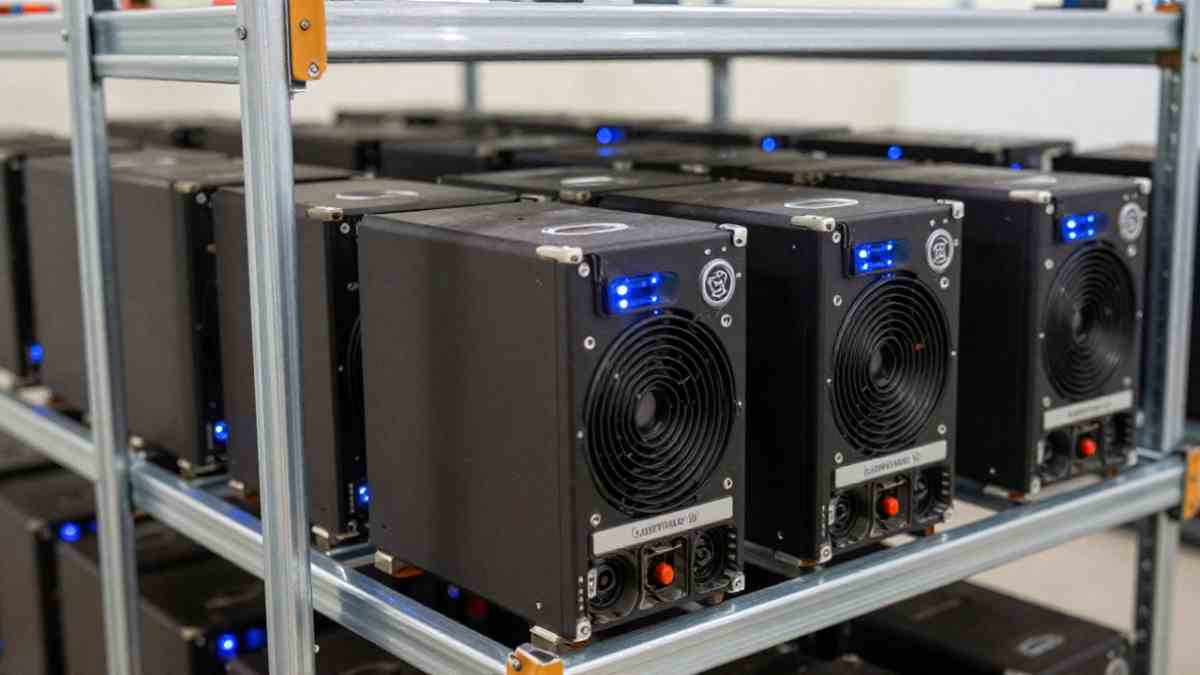
The Bitmain Antminer S21 Pro and the MicroBT WhatsMiner M60 represent the current gold standard for Bitcoin mining. These machines deliver hash rates of 200+ TH/s (terahashes per second) while maintaining relatively efficient power consumption ratios of around 17-18 joules per terahash.
For those on a tighter budget, previous-generation models like the Antminer S19 XP can still be profitable in regions with cheap electricity, though they’re gradually becoming less competitive as network difficulty continues to climb. The key is calculating your specific electricity cost against the machine’s efficiency rating.
Best GPUs for Mining in 2026
For GPU mining, NVIDIA’s RTX 4000 series and AMD’s RX 7000 series cards offer the best balance of hash rate and power efficiency. A typical mining rig might contain 6-8 GPUs, requiring a specialized mining frame, multiple power supply units, and substantial technical know-how to configure properly.
The advantage of GPU mining is flexibility. If one coin becomes unprofitable, you can quickly switch to mining another or even sell the GPUs in the gaming market, unlike ASICs which have virtually no resale value outside of mining.
Supporting Equipment and Accessories
Beyond the miners themselves, you’ll need power supply units capable of handling the electrical load, mining racks or shelving systems to organize equipment, monitoring software, and potentially a dedicated computer to manage your operation. Budget an additional 15-20% of your hardware costs for these supporting components.
Professional miners also invest in power meters to track electricity consumption, temperature and humidity sensors, and remote management tools that allow them to monitor and control their operation from anywhere.
Profitability Analysis for 2026
Calculating Mining Profitability
Determining whether mining will be profitable requires honest number crunching. You need to factor in your hash rate (mining speed), electricity costs, hardware costs, pool fees (typically 1-3%), and the current price and mining difficulty of your target cryptocurrency.
Fortunately, platforms featured on fintechzoom.com crypto mining provide calculators that simplify this process. You input your hardware specifications and electricity rate, and they estimate your daily, monthly, and annual profit or loss. However, remember that cryptocurrency prices are volatile, and mining difficulty adjusts regularly, so today’s profitable operation might not be tomorrow’s.
Bitcoin Mining Profitability in 2026
As of early 2026, Bitcoin mining remains profitable for operations with access to electricity at $0.08 per kWh or lower and using current-generation ASIC miners. At Bitcoin’s current price levels and network difficulty, a single Antminer S21 Pro might generate $8-15 in daily profit after electricity costs in optimal conditions.
However, the Bitcoin halving that occurred in April 2024 cut block rewards from 6.25 BTC to 3.125 BTC, significantly impacting profitability. Many smaller miners were forced out of the market, and consolidation toward large-scale operations has accelerated.
Altcoin Mining Opportunities
While Bitcoin mining has become increasingly difficult for individual miners, several alternative cryptocurrencies still offer opportunities for profitable mining. Coins like Litecoin, Ravencoin, and Ethereum Classic can be mined with GPU rigs or less expensive ASIC models.
The challenge with altcoin mining is that these markets are more volatile and less liquid than Bitcoin. You might successfully mine a significant amount of an altcoin only to find that selling it without significantly impacting the market price is difficult. Diversification across multiple mineable coins is often the wisest strategy.
Break-Even Timeline and ROI
Most mining operations take 12-24 months to break even on their initial hardware investment, assuming relatively stable cryptocurrency prices and no major equipment failures. Your actual ROI timeline will depend heavily on your electricity costs, equipment efficiency, and market conditions.
Research highlighted on fintechzoom.com crypto mining platforms suggests that miners who purchase during bear markets when hardware prices are depressed tend to see faster ROI times than those who buy equipment during periods of peak crypto prices when hardware demand drives up costs.
Choosing the Right Cryptocurrency to Mine
Bitcoin: The King of Crypto Mining
Bitcoin remains the most established and liquid cryptocurrency, making it the default choice for serious miners despite its high difficulty level. The Bitcoin network’s security and longevity make it less risky than mining newer or smaller coins that might fail or be abandoned.
However, Bitcoin mining requires the most significant investment in specialized ASIC hardware and is only profitable with very cheap electricity. It’s essentially become an industrial operation rather than a home-based endeavor for most participants.
GPU-Friendly Alternatives
For those with GPU mining rigs, coins like Ravencoin (RVN), Ergo (ERG), and Flux (FLUX) have established communities and reasonable profitability for miners with moderate electricity costs. These coins use algorithms specifically designed to be ASIC-resistant, keeping the playing field more level for individual miners.
The advantage of focusing on these alternatives is lower competition and hardware costs, but you accept greater price volatility and liquidity risk compared to Bitcoin.
Emerging Mining Opportunities
The cryptocurrency space continues to evolve, with new mineable coins launching regularly. While these present potential early-miner advantages, they also carry substantial risk. Many new coins fail to gain traction, leaving miners with worthless tokens despite their investment in mining infrastructure.
Only allocate a small portion of your mining capacity to experimental coins, and always have an exit strategy. The data available through fintechzoom.com crypto mining resources can help you evaluate which emerging projects might be worth the risk.
Mining Pools vs. Solo Mining
How Mining Pools Work
Mining pools allow individual miners to combine their computational power with thousands of other miners worldwide, solving blocks collectively and sharing rewards proportionally. This approach provides more consistent, predictable income compared to solo mining, where you might go months without finding a block.
Most pools charge fees of 1-3% of your mining rewards and use different payout schemes. PPS (Pay Per Share) provides immediate payment for each share you contribute, while PPLNS (Pay Per Last N Shares) averages payouts over a longer period, reducing variance but potentially resulting in slightly higher earnings.
When Solo Mining Makes Sense
Solo mining is generally only viable for miners with substantial hash power or those mining smaller altcoins with lower network difficulty. The advantage is keeping 100% of the block reward when you successfully mine a block, but the trade-off is extreme variance in income.
For most individual miners, solo mining Bitcoin is essentially playing the lottery. You’d need extraordinary luck to find a block with typical home mining equipment, and you could run for years without succeeding.
Selecting the Right Mining Pool
When choosing a mining pool, consider factors beyond just fees. Pool size affects payout frequency (larger pools find blocks more often but share rewards among more miners), server locations impact latency, and pool reliability determines whether you’re consistently mining or experiencing downtime.
Reviews and comparisons available through fintechzoom.com crypto mining analysis can help you evaluate pool options. Look for pools with transparent fee structures, established track records, and active community support.
Tax Implications and Legal Considerations
How Mining Income Is Taxed
In most jurisdictions, cryptocurrency mining income is taxed as ordinary income at the fair market value of the coins on the day they’re received. This creates a tax liability even if you hold the coins and don’t sell them immediately. If you later sell the mined coins, any price appreciation is treated as capital gains.
For U.S. miners, you’ll also need to pay self-employment tax on your mining income if you’re operating as a business. This adds approximately 15.3% in additional taxes on top of your regular income tax rate, making tax planning essential for profitability.
Deductible Mining Expenses
The good news is that legitimate mining expenses are tax deductible. This includes hardware purchases (which must be depreciated over several years), electricity costs, internet service, cooling equipment, and even a portion of your home expenses if you’re operating from a residential location.
Keeping meticulous records of all mining-related expenses is crucial for maximizing deductions and surviving potential audits. Many miners use specialized crypto tax software to track their mining income and expenses throughout the year.
Regulatory Landscape in 2026
Cryptocurrency mining regulations vary significantly by country and even by state or province within countries. Some regions have banned mining entirely due to energy concerns, while others actively court mining operations with tax incentives and cheap power.
Before investing significantly in mining infrastructure, research your local regulations. Some areas require special permits or business licenses for mining operations, and residential zoning restrictions may prohibit commercial mining activities in your home.
Setting Up Your First Mining Operation
Planning Your Space
A successful mining operation requires adequate physical space with proper ventilation, electrical capacity, and environmental controls. A spare bedroom, basement, or garage can work for small operations, but you’ll need to address noise, heat, and electrical considerations.
Mining equipment is loud—often producing 70-80 decibels of noise continuously. If you’re mining at home, this noise can be disruptive to household members and neighbors. Soundproofing or locating equipment in detached structures can help manage this issue.
Electrical Setup and Safety
Before plugging in mining equipment, have a qualified electrician assess your electrical system. Most homes have 100-200 amp electrical services, and a moderate mining operation can easily consume 30-50 amps continuously. You may need dedicated circuits, panel upgrades, or sub-panels to safely power your equipment.
Never overload circuits or use inadequate wiring, as this creates serious fire hazards. Mining equipment draws sustained high power loads that standard household wiring may not be designed to handle.
Initial Configuration and Software Setup
Setting up mining software varies depending on whether you’re using ASIC miners or GPU rigs. ASIC miners typically have web-based interfaces where you simply enter your mining pool information and wallet address. GPU mining requires installing an operating system (often a specialized mining OS), mining software, and configuring settings for optimal performance.
Resources and tutorials available through fintechzoom.com crypto mining guides can walk you through the initial setup process for various hardware types. Most mining pools also provide detailed setup instructions for different equipment models.
Maximizing Mining Efficiency
Overclocking and Undervolting
Advanced miners can increase profitability by optimizing their hardware’s power consumption and hash rate. Overclocking increases processing speed but also increases power consumption and heat generation. Undervolting reduces power consumption while maintaining acceptable hash rates, often providing the best efficiency improvements.
These adjustments require technical knowledge and carry risks of hardware instability or reduced lifespan if done incorrectly. Start with conservative adjustments and monitor your equipment’s performance and temperatures carefully.
Monitoring and Maintenance
Successful miners obsessively monitor their operations, tracking hash rates, temperatures, power consumption, and profitability in real-time. Many use monitoring software that alerts them to issues like offline miners, overheating, or unusual performance drops.
Regular maintenance is also crucial. Mining equipment needs periodic cleaning to remove dust buildup that can cause overheating and fans need replacement when they begin failing. Neglected equipment fails prematurely, significantly impacting your ROI.
Strategies for Scaling Your Operation
Once you’ve successfully run a small mining operation, you might consider scaling up. This requires careful financial planning, as simply adding more equipment doesn’t always increase profits proportionally. Electricity costs don’t usually decrease with scale for home miners, and you may quickly exceed your electrical capacity.
Many miners who want to scale significantly eventually move to commercial space or colocation facilities where they can access industrial electricity rates and professional infrastructure. This transition point typically comes when operations exceed 10-20 mining devices.
Environmental Considerations and Sustainability
The Energy Consumption Debate
Cryptocurrency mining’s environmental impact has become a major topic of debate. Bitcoin mining alone consumes as much electricity annually as some medium-sized countries. Critics argue this energy consumption is wasteful, while proponents contend that mining incentivizes renewable energy development.
As a miner in 2026, you can make choices that reduce your environmental impact. Many miners now prioritize locations with renewable energy sources or purchase carbon offsets. Some even capture waste heat from mining operations for productive purposes like heating buildings or greenhouses.
Renewable Energy Mining Solutions
Solar and wind power can reduce both your environmental impact and long-term electricity costs. While the upfront investment in renewable energy infrastructure is substantial, many miners find that combining solar panels with battery storage creates a sustainable, long-term mining operation.
Regions with hydroelectric power have become particularly attractive for large-scale mining operations, offering both low costs and renewable credentials. Analyses on fintechzoom.com crypto mining platforms increasingly highlight the importance of sustainable energy sources for long-term mining viability.
Common Mining Mistakes to Avoid
Underestimating Costs
The most common mistake new miners make is focusing only on hardware costs while underestimating ongoing expenses like electricity, cooling, maintenance, and equipment upgrades. Many operations that look profitable on paper become money-losing ventures when all costs are properly accounted for.
Always build a comprehensive budget that includes every possible expense, then add a 20% buffer for unexpected costs. Mining profitability calculators are useful starting points, but they can’t account for equipment failures, electricity rate increases, or market volatility.
Poor Timing of Entry
Many aspiring miners enter the market during periods of peak cryptocurrency prices when everyone is talking about crypto. Unfortunately, this is also when mining hardware is most expensive and competitive. The best time to start mining is often during bear markets when hardware prices are depressed and fewer miners are competing for rewards.
Being patient and contrarian can significantly improve your ROI timeline. Purchase equipment when others are selling in panic, not when everyone is rushing to get involved.
Neglecting Security
Mining operations become targets for hackers seeking to steal your mined cryptocurrency or even hijack your equipment to mine for themselves. Always use secure, unique passwords for mining pool accounts and wallets. Enable two-factor authentication wherever possible and store significant amounts of mined crypto in cold storage wallets rather than leaving them in exchange or pool accounts.
Physical security also matters. Mining equipment is valuable and easily stolen. If you’re operating in a residential location, consider security cameras and insurance coverage for your equipment.
Conclusion
Cryptocurrency mining in 2026 presents both opportunities and challenges that require careful consideration and planning. The landscape has evolved significantly from the early days when anyone could mine profitably with a laptop. Today’s mining environment demands professional-grade equipment, access to cheap electricity, technical expertise, and substantial capital investment.
Success in mining comes down to honest number crunching and realistic expectations. For miners with access to electricity below $0.08 per kWh, modern ASIC hardware, and the technical skills to optimize their operations, mining can still be a profitable venture. However, those paying residential electricity rates or hoping for quick returns will likely be disappointed.
The resources and analysis available through platforms like fintechzoom.com crypto mining can help you make informed decisions about whether mining makes sense for your situation. Whether you’re considering a small home operation or planning a larger commercial venture, understanding the full spectrum of costs, hardware requirements, and profitability factors is essential before making the leap.
Mining remains an integral part of the cryptocurrency ecosystem, providing both network security and a decentralized method for coin distribution. While it’s become more competitive and industrial, opportunities still exist for those willing to do their homework, invest wisely, and approach it as a serious business venture rather than a get-rich-quick scheme.
Frequently Asked Questions
Is cryptocurrency mining still profitable in 2026?
Cryptocurrency mining can still be profitable in 2026, but it depends heavily on your specific circumstances. Miners with access to electricity costs below $0.08 per kWh and modern, efficient hardware can achieve profitability, particularly when mining Bitcoin or established altcoins. However, those paying typical residential electricity rates above $0.12 per kWh will struggle to break even with most mining operations. The key is calculating your specific costs against potential revenue using up-to-date mining calculators before investing in equipment. Market volatility also means that profitability can change rapidly based on cryptocurrency price movements.
How much money do I need to start mining cryptocurrency?
The initial investment for crypto mining varies significantly based on your chosen approach. A basic GPU mining rig capable of mining altcoins typically requires $3,000-$5,000 for hardware plus several hundred dollars for supporting equipment and electrical infrastructure. Bitcoin mining with ASIC miners requires higher investment, with competitive equipment ranging from $5,000-$15,000 per unit, and serious operations starting with multiple units. Additionally, you should have 6-12 months of operating expenses (primarily electricity) saved as a buffer while your operation reaches profitability. A realistic minimum investment for a serious home mining operation is approximately $10,000-$15,000 when all costs are considered.
Can I mine cryptocurrency from my home?
Yes, home mining is still possible in 2026, though it comes with challenges. You’ll need adequate electrical capacity, proper ventilation, and tolerance for noise and heat. Most homes can support 1-3 ASIC miners or a moderate GPU mining rig without electrical upgrades, but larger operations require professional electrical work. Consider your living situation carefully—mining equipment runs 24/7, generates significant noise (70-80 decibels), and can heat up rooms substantially. Also check local regulations, as some residential areas have restrictions on commercial activities or power consumption that might affect your ability to mine legally from home.
What’s the difference between ASIC and GPU mining?
ASIC (Application-Specific Integrated Circuit) miners are specialized devices built exclusively for mining specific cryptocurrencies using particular algorithms. They offer superior efficiency and hash rates for their target coins (like Bitcoin) but cannot mine anything else and have no resale value outside of mining. GPU (Graphics Processing Unit) mining uses computer graphics cards and offers flexibility to switch between different mineable cryptocurrencies based on profitability. GPUs cost more per unit of hash power for any specific coin but can be repurposed or sold in the gaming market if mining becomes unprofitable. The choice depends on which cryptocurrencies you plan to mine and whether you value efficiency (ASIC) or flexibility (GPU).
How long does it take to see returns from a mining investment?
The break-even period for mining investments typically ranges from 12-24 months under favorable conditions, though this varies significantly based on electricity costs, hardware efficiency, cryptocurrency prices, and network difficulty. Operations with very cheap electricity (under $0.06 per kWh) and efficient equipment might break even in 8-12 months, while those with higher costs could take 24-36 months or never achieve profitability if market conditions deteriorate. It’s crucial to understand that mining is not a short-term investment—you’re committing to running equipment continuously for at least a year to have a realistic chance of recovering your initial costs. Always model multiple scenarios including pessimistic cases where crypto prices drop or difficulty increases faster than expected.